

Care that moves with you.
Every individual is unique. My approach focuses on understanding your needs, creating a personalised plan and supporting you throughout your recovery journey.
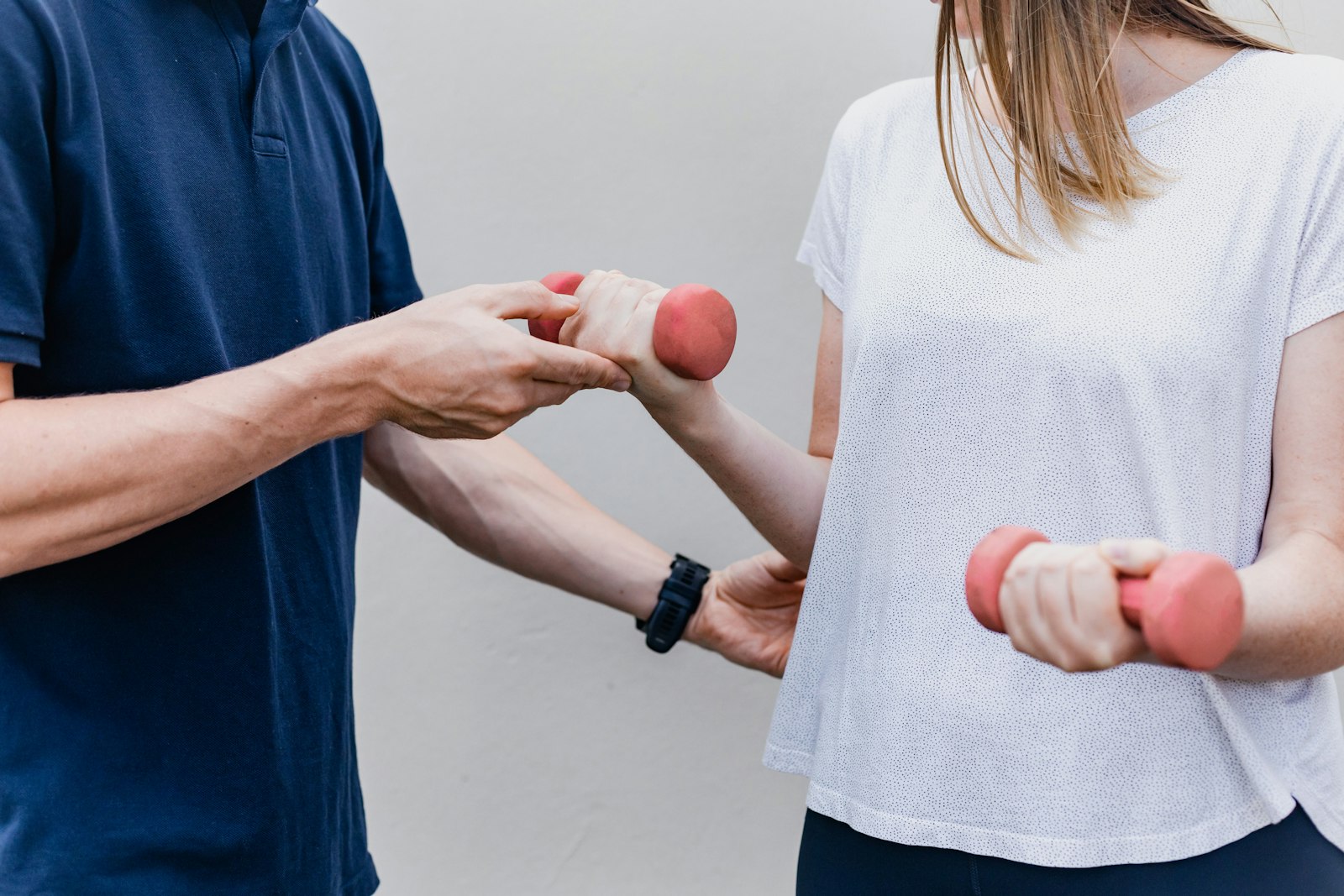
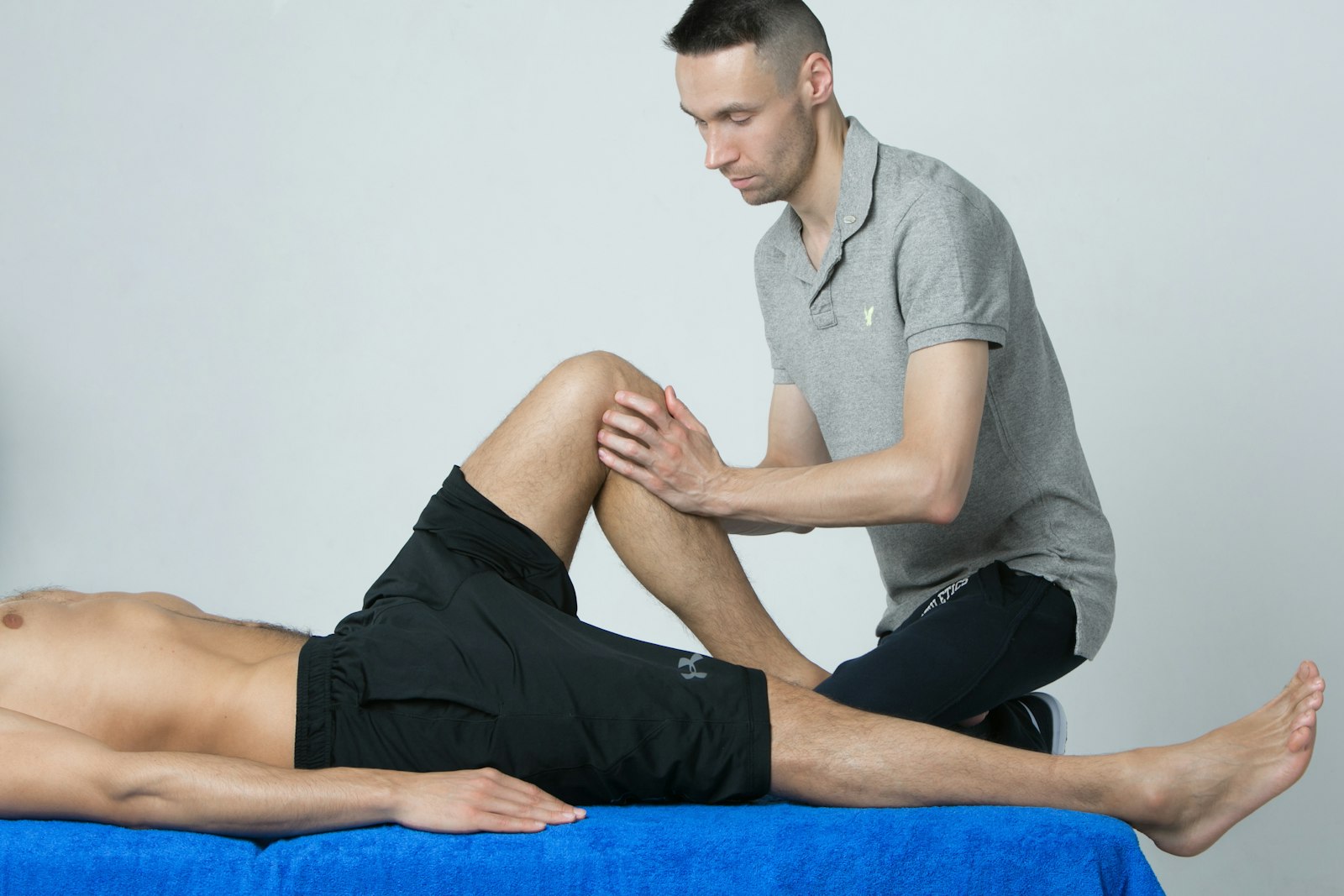
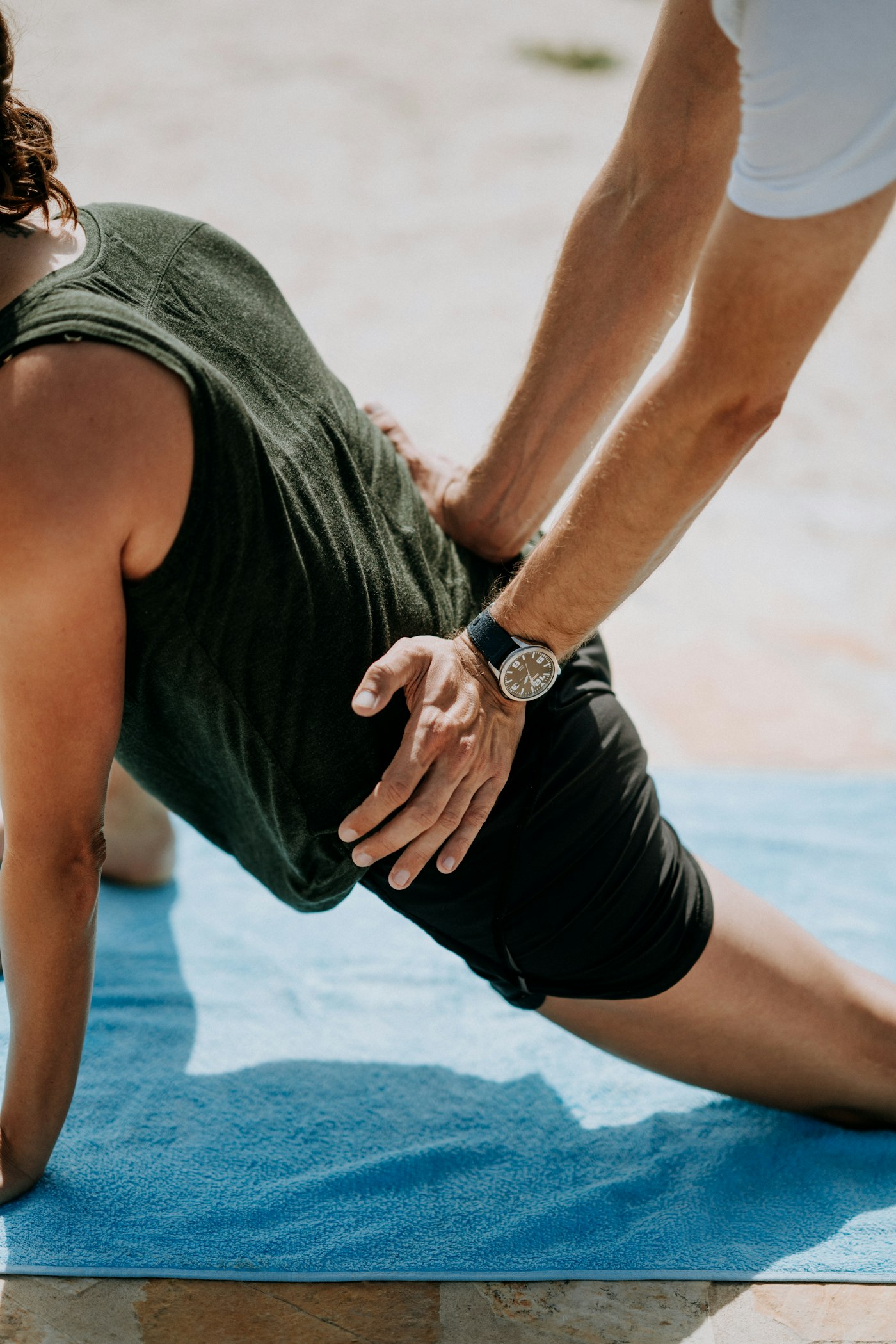
Four steps, from first conversation to full movement.
Scroll through the stages. The photograph changes and the line around it fills in as your plan moves from first conversation to full activity.
-
Listen
We start with your story: what hurts, when it started, what you can no longer do and what you want back. Your goals set the direction.
- Your history, lifestyle, work and activity
- Scans, reports and previous treatment
- What recovery means to you
-
Assess
A thorough, hands-on assessment of how you move, where you are restricted and what is loading the painful area.
- Joint range, strength and movement control
- Posture, function and work or sport demands
- Findings explained in plain language
-
Plan
A personalised, evidence-based plan with clear goals: the treatment you will have, the exercises you will do and the milestones to aim for.
- Hands-on treatment where it helps
- Exercise and education to make change stick
- Realistic timeframes, agreed with you
-
Progress
Ongoing support and adjustments as you improve. Progress is measured and plans are updated, so you keep moving toward full activity.
- Regular reviews against your goals
- Exercises progressed as you get stronger
- A plan to stay well once you are better
Your movement. Your goals. My commitment.
I believe in a patient-centred approach that focuses on understanding, education and long-term wellbeing.
Listen
Understand your concerns, lifestyle and goals before anything else.
Plan
Create a personalised, evidence-based plan you can follow.
Progress
Support you every step of the way, until you are moving the way you want.
Your first visit.
Nothing to prepare except your story. A few things make the first consultation more useful.
- Bring any scans, reports or notes from your doctor or surgeon
- Note the medicines you take and any previous treatment
- Wear comfortable clothing that lets the area be examined
- Think about what you most want to be able to do again

Begin with the first step.
Tell me what you are dealing with and we will plan from there.