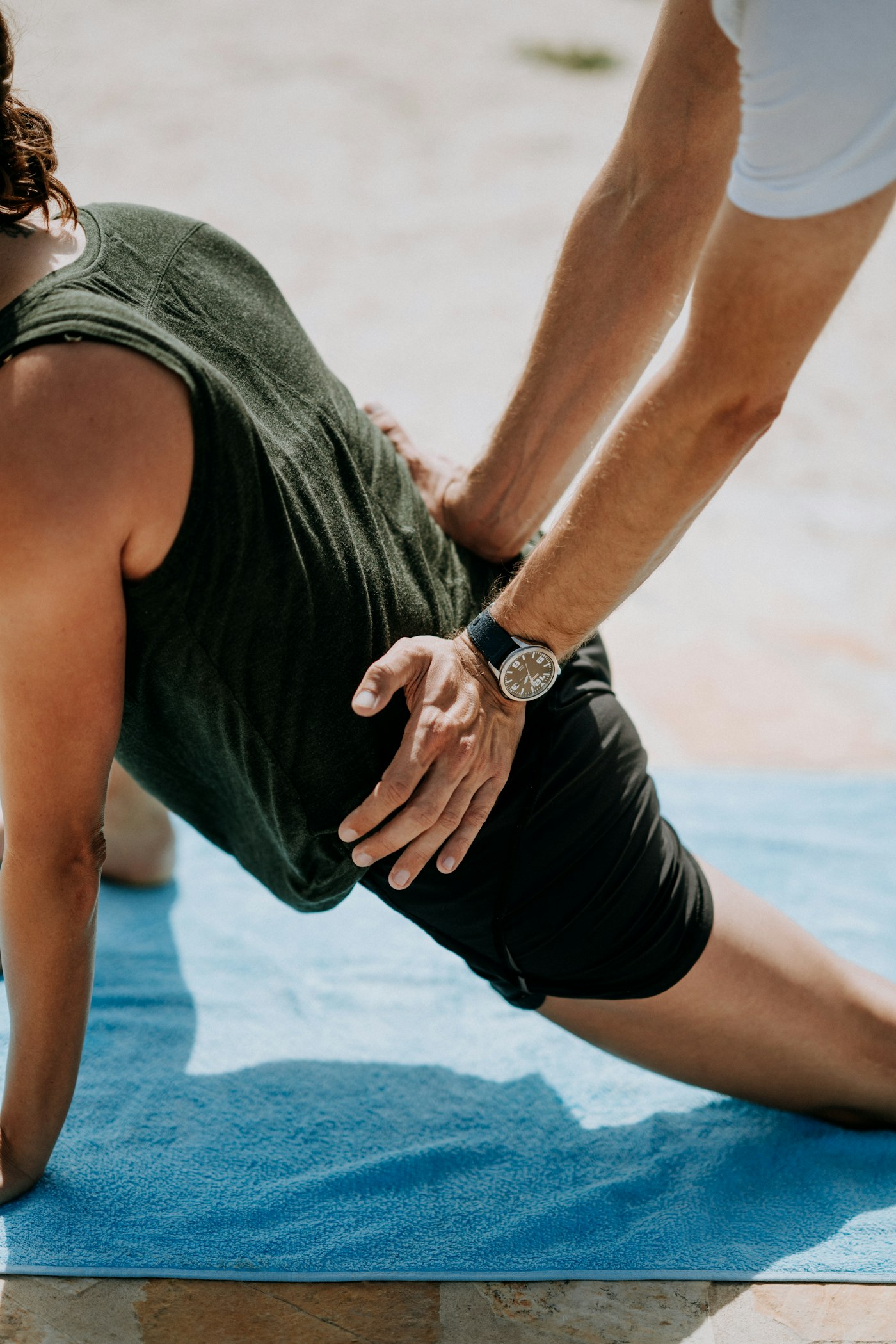

Deep clinical skill, built across five countries.

Six areas of practice, supported by internationally recognised training in manual therapy, fascial manipulation, dry needling, sports science and ergonomics.

A physiotherapist applying manual therapy to a patient's upper back

Areas of practice.

The kinds of problems I see most, and how each is approached.

  • Musculoskeletal physiotherapy

    Assessment and treatment of pain and loss of function in muscles, joints, tendons and ligaments. The goal is to find what is driving your symptoms, not only where they show up.

    • Joint pain
    • Muscle strains
    • Tendon problems
    • Ligament sprains
    • Arthritis-related stiffness
  • Sports injury rehabilitation

    Treatment and structured return-to-sport programmes for athletes and active people, drawing on postgraduate training in sports therapy and sports sciences.

    • Sprains and strains
    • Overuse injuries
    • Return-to-play planning
    • Strength and conditioning
  • Post-operative rehabilitation

    Safe, staged recovery after orthopaedic surgery, working to your surgeon’s guidance to restore movement, strength and confidence.

    • Joint replacement
    • Ligament reconstruction
    • Fracture recovery
    • Shoulder and knee surgery
  • Neck and back pain management

    Hands-on treatment, movement retraining and education for spinal pain, including pain linked to desk work, driving and lifting.

    • Low back pain
    • Neck pain
    • Stiff shoulders
    • Referred arm or leg symptoms
  • Mobility and functional rehabilitation

    Rebuilding the ability to do the things that matter to you: walking, climbing stairs, getting up from the floor, lifting, playing with your children.

    • Balance and control
    • Stiffness
    • Strength loss
    • Everyday function
  • Posture and movement assessment

    A close look at how you stand, sit and move, and at workstation habits, to find loading patterns that keep strain going and change them.

    • Desk ergonomics
    • Movement analysis
    • Postural strain
    • Habit change

The techniques, explained.

What each approach is, where it comes from, and when it is useful. Techniques are selected after assessment, never by default.

Orthopaedic manual therapy

Certificate in Orthopedic Manual Therapy (COMT), United Kingdom
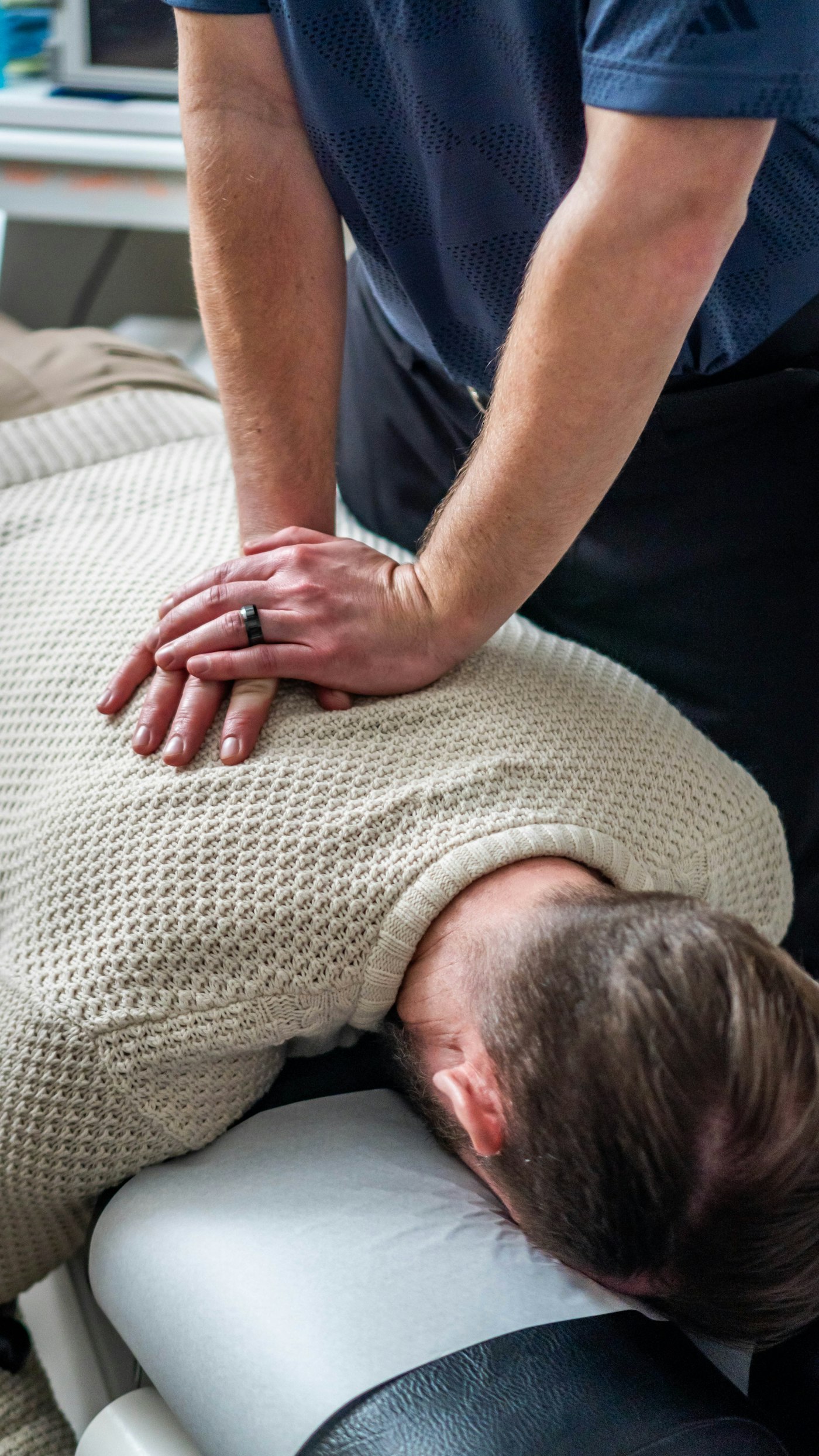
Skilled, hands-on assessment and treatment of joints and soft tissues. Gentle mobilisation and, where appropriate, manipulation are used to ease pain, reduce stiffness and restore movement.

Often used for

  • Stiff or painful spinal segments
  • Shoulder, hip and knee restrictions
  • Pain that limits exercise or daily tasks
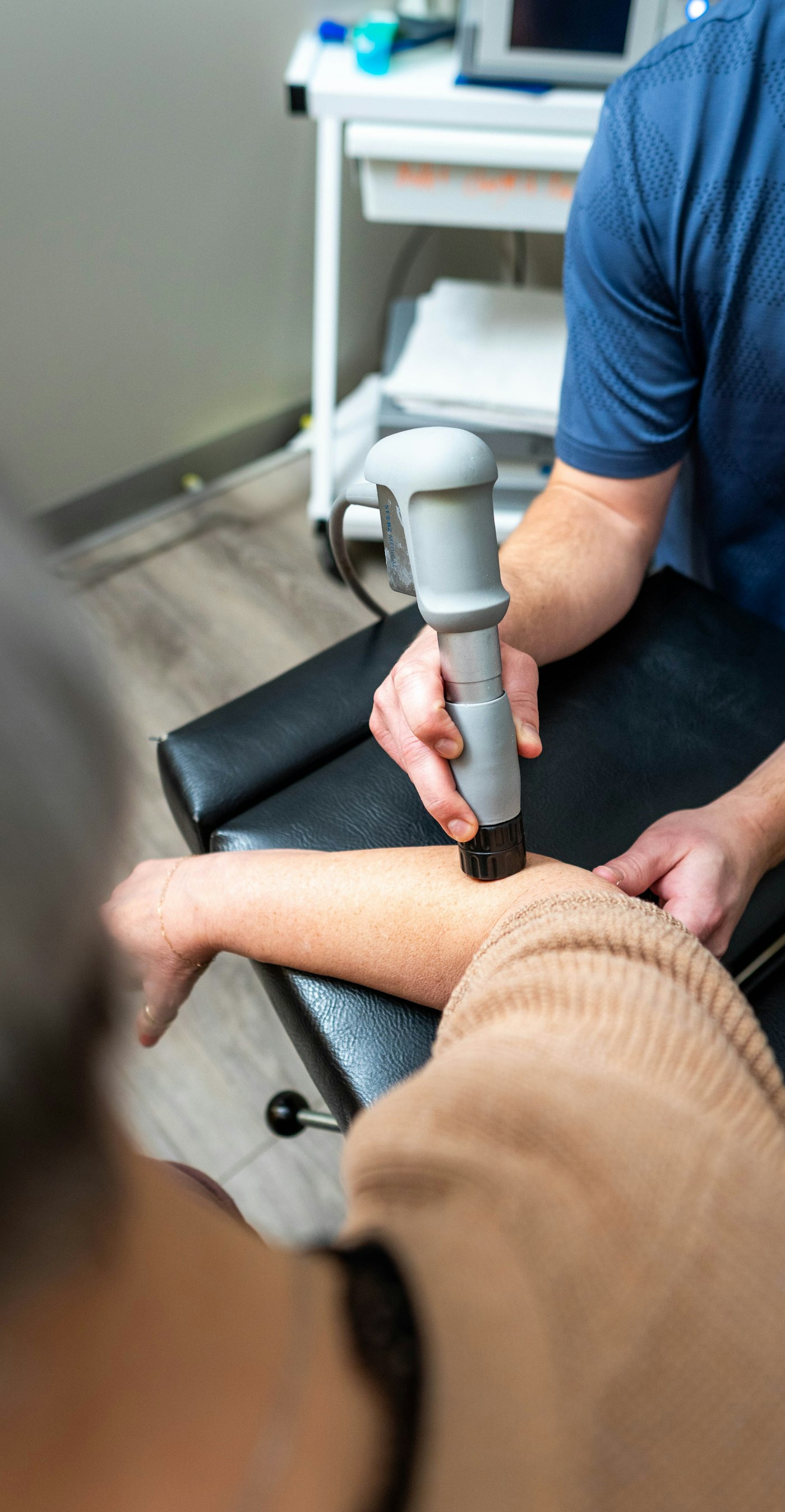
IASTM

Certificate in Instrument-Assisted Soft Tissue Mobilisation, United Kingdom

Specially designed tools are used to assess and treat restricted soft tissue, helping to improve mobility and ease pain in muscles, tendons and the surrounding fascia. It is used alongside exercise, not instead of it.

Often used for

  • Tight, thickened or sensitive soft tissue
  • Tendon-related pain
  • Recovery between training blocks

Dry needling

Certified Dry Needling Practitioner (CDNP), South Africa

Fine, sterile needles are placed into tender, tight points in muscle (often called trigger points) to reduce pain and muscle tension and improve movement. It is performed with consent, in a clinical setting, and as one part of a wider plan.

Often used for

  • Persistent muscle tightness and knots
  • Neck, shoulder and back tension
  • Muscle-related pain that has not eased with other approaches

Fascial Manipulation

Fascial Manipulation Practitioner (Stecco method), Italy

Fascia is the connective tissue that wraps and links muscles. In this method, manual pressure is applied to specific points on the fascia, chosen from your movement and symptom pattern, to restore gliding between tissue layers and ease movement.

Often used for

  • Pain that moves or does not follow a clear pattern
  • Restricted movement after injury
  • Recurring problems in the same area

Ergonomics

Certificate in Ergonomics, Sweden

Matching your workspace, tasks and habits to your body. Practical changes to desk set-up, screen height, seating, lifting and breaks reduce the repeated loading that keeps neck, back and shoulder pain going.

Often used for

  • Desk and computer-related pain
  • Driving and long-sitting strain
  • Repetitive tasks at work or at home

Sports therapy & sports sciences

PGDSST; Fellowship in Sports Sciences (FSS) and Fellowship in Ortho Rehab (FOR), Apollo

Graded loading, strength and movement-control work, and clear return-to-sport criteria. The aim is to get you back to your activity and keep you there, not just settle the current injury.

Often used for

  • Recreational and competitive athletes
  • Injury prevention planning
  • Returning to training after time off

Not sure which approach you need?

That is what the consultation is for. Describe what you are feeling and we will work it out together.