

Physiotherapy, planned around you.

Professional care tailored to your needs at every stage of recovery, from first assessment to full return to the things you love.

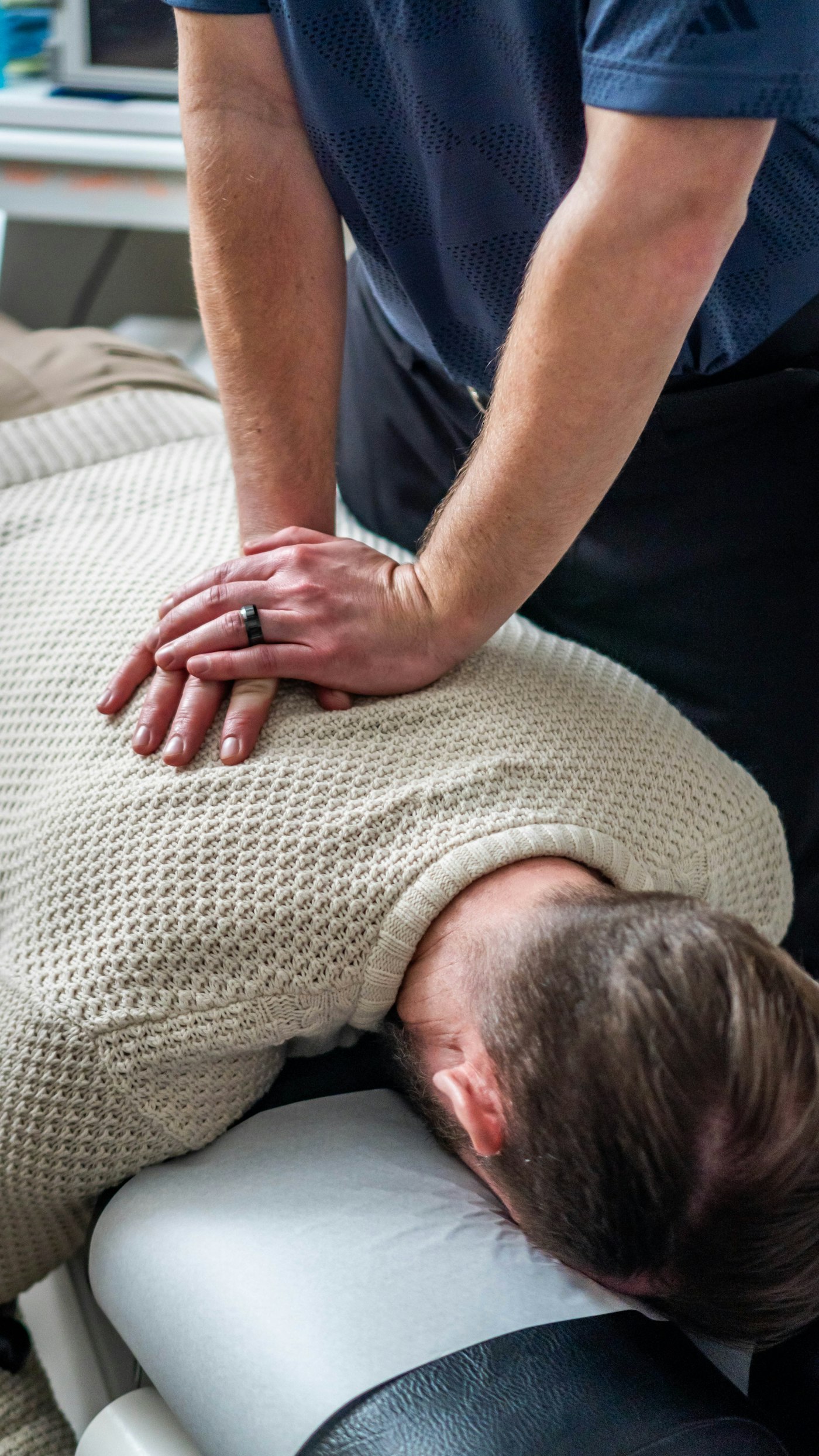
A physiotherapist performing hands-on treatment on a patient's lower back

Consultation & Assessment

The starting point for every plan.

A detailed conversation and examination: your history, what you can and cannot do, how the affected area moves and how it is loaded. You leave with a clear explanation of what is going on and a personalised treatment plan.

What it involves

  • Your story, goals and any scans or reports
  • Movement, strength and joint-range testing
  • Findings explained in plain language
  • A plan with goals and next steps

Therapeutic Exercise

Targeted exercises to improve strength and mobility.

Exercise is chosen for your specific problem, taught properly and progressed as you improve. It builds the strength, control and tolerance that make results last.

What it involves

  • Strength and mobility work matched to your findings
  • Technique coaching in session
  • Gradual progression with clear markers

Manual Therapy Techniques

Hands-on techniques for pain relief and better function.

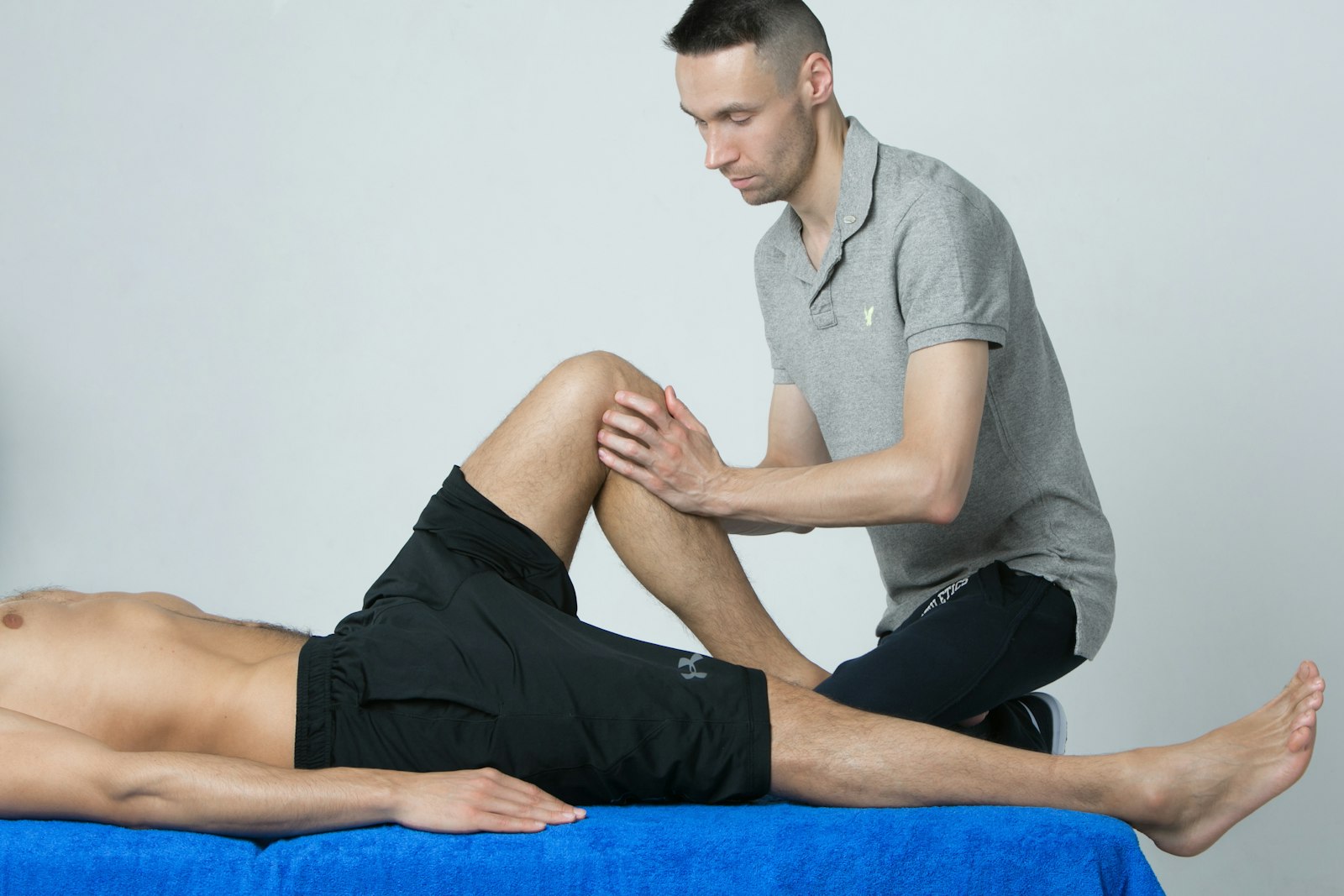
Joint and soft-tissue techniques, including orthopaedic manual therapy, fascial manipulation, instrument-assisted mobilisation and dry needling, used where your assessment shows they will help.

What it involves

  • Techniques selected after assessment, with your consent
  • Treatment paired with movement and exercise
  • Response checked after each session

How each technique works

Posture & Ergonomic Education

Healthier posture and movement habits.

Practical guidance on how you sit, stand, lift and work. Small, realistic changes to your set-up and routine reduce the repeated strain behind many neck, back and shoulder complaints.

What it involves

  • Review of your workstation, driving and daily routine
  • Simple changes you can make straight away
  • Movement breaks and supporting exercises

Rehabilitation Support

Structured recovery after injury or surgery.

Step-by-step programmes for injury and post-surgical recovery, working with your surgeon’s or doctor’s guidance. Each stage has clear goals so you can see progress and know what is safe.

What it involves

  • Phased plans from early recovery to full activity
  • Regular review and adjustment
  • Return-to-work or return-to-sport planning

Home Exercise Guidance

Simple, effective exercises between sessions.

What you do between sessions matters as much as what happens in them. You will get a short, realistic programme with clear instructions, adjusted as you improve.

What it involves

  • A short set of exercises you can fit into your day
  • Technique checked in session
  • Guidance on what to do if symptoms flare

Patient resources

What I help with.

A guide to common reasons people book. If yours is not listed, ask.

  • Low back pain
  • Neck pain
  • Shoulder pain and stiffness
  • Tennis and golfer’s elbow
  • Wrist and hand pain
  • Hip pain
  • Knee pain
  • Ankle sprains
  • Heel and foot pain
  • Tendon injuries
  • Muscle strains
  • Sports injuries
  • Post-operative rehabilitation
  • Sciatica-type symptoms
  • Desk-related strain
  • Reduced mobility

Ready to take the first step?

Connect to discuss your movement concerns and physiotherapy goals.